Crosswalk Right of Way in Illinois: What Injured Pedestrians Should Know
Key Takeaways: In most Illinois crosswalk cases, the pedestrian has the right of way. Under 625 ILCS 5/11-1002, drivers must stop and yield where signals are not in place or not working, and they may not pass a vehicle that has stopped for a pedestrian at a marked crosswalk. These rights have limits, because pedestrians may not suddenly step into the path of a vehicle that is too close to yield. Pedestrians with disabilities have added protections, and drivers must stop before coming within 10 feet of someone using a white cane, service animal or mobility device. Under Illinois’s modified comparative fault rule, an injured pedestrian may still recover if they were 50 percent or less at fault. Strong evidence and filing within the two-year deadline can make a big difference in a crosswalk injury claim.
In most Illinois crosswalk cases, the pedestrian has the right of way, but the answer depends on the facts. Under 625 ILCS 5/11-1002(a), when traffic signals are not in place or not working, drivers must stop and yield to a pedestrian in a crosswalk who is on the driver’s half of the road or is coming from the other half close enough to be in danger. Illinois law also gives pedestrians with disabilities added protections, and places some duties on pedestrians.
If a driver struck you or a loved one in a Chicago crosswalk, you do not have to handle the claim alone. The personal injury team at McDevitt and Cobb P.C. helps injured pedestrians and families across Cook County and Illinois. Call 312-332-0072 or contact us now to discuss your situation.
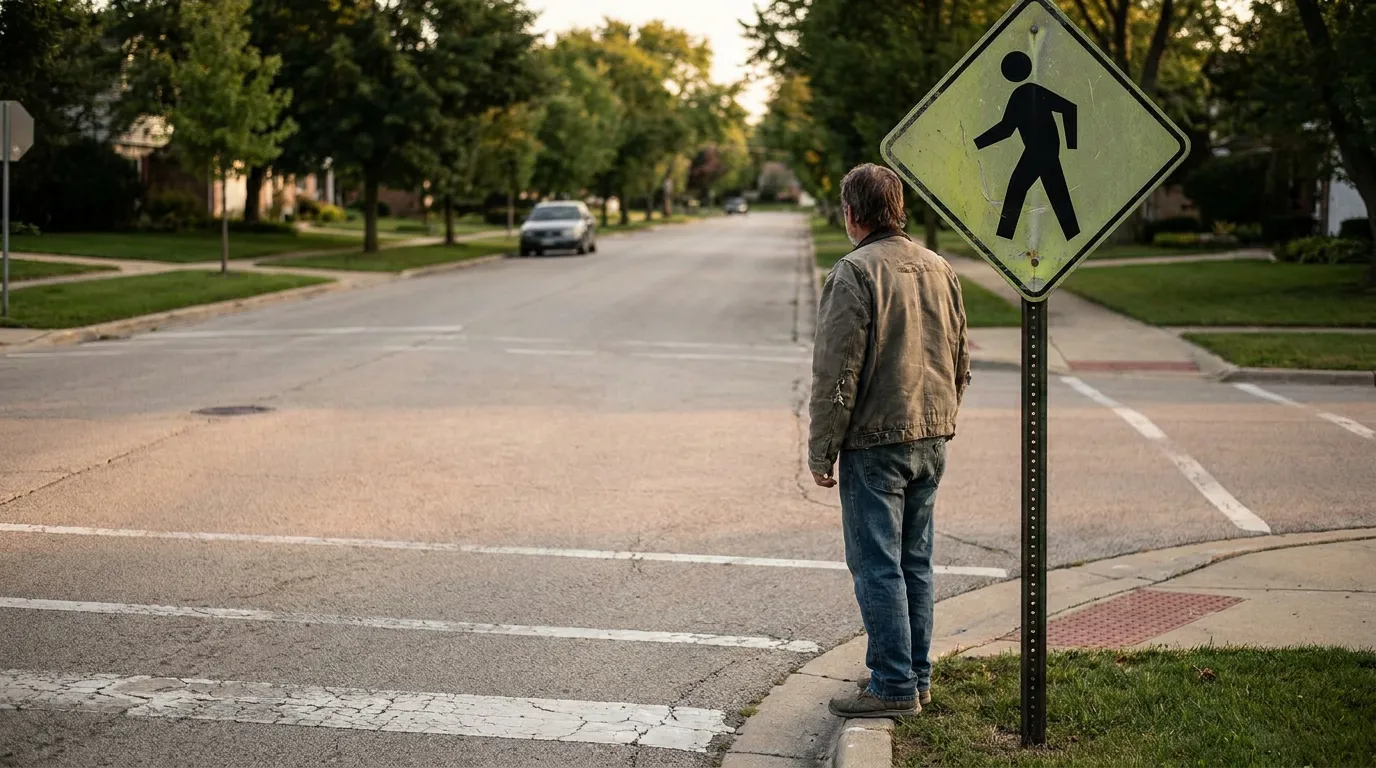
How Illinois Pedestrian Crosswalk Law Defines Driver Duties
In Chicago and throughout Illinois, the main crosswalk right-of-way rule is found in Article X, "Pedestrians’ Rights and Duties," which is part of Chapter 11 of the Illinois Vehicle Code, titled the "Rules of the Road." The key section is 625 ILCS 5/11-1002. In Illinois, breaking a safety law like this one usually counts as evidence of negligence, though it does not, by itself, prove the driver is liable.
The Basic Yielding Rule
Under 625 ILCS 5/11-1002(a), drivers must stop and yield to pedestrians in a crosswalk when traffic signals are not in place or not working. This applies when the pedestrian is on the driver’s half of the road, or is coming from the other half close enough to be in danger. Pedestrians who cross outside a crosswalk generally must yield to vehicles under 625 ILCS 5/11-1003.
Where signals work, drivers and pedestrians generally must obey them. Even so, a driver with a green light must still yield to a pedestrian lawfully in the intersection or a nearby crosswalk. Under 625 ILCS 5/11-1003.1, every driver must also use due care to avoid hitting a pedestrian. Fault in crashes at signals often turns on timing, which light was showing and what witnesses saw.
The Ban on Passing a Stopped Vehicle
Under 625 ILCS 5/11-1002(d), when a vehicle has stopped at a marked crosswalk, or an unmarked crosswalk at an intersection, to let a pedestrian cross, a driver coming from behind may not overtake and pass it. This rule applies in Chicago as part of the statewide Illinois Vehicle Code, and it targets "multiple threat" crashes, where one car stops for a pedestrian and a second car in the next lane passes it without seeing the person crossing. These crashes often happen on multi-lane Chicago streets and can cause severe injuries.
💡 Pro Tip: If a car in another lane had stopped for you before you were hit, write it down and tell your lawyer. That detail may show the driver who hit you broke the rule against passing a stopped vehicle.
Pedestrian Right of Way in Illinois Has Limits
The pedestrian’s right of way is strong, but it is not unlimited. Under 625 ILCS 5/11-1002(b), a pedestrian may not suddenly leave a curb or other safe place and walk or run into the path of a moving vehicle so close that the driver cannot yield. Insurance companies often use this rule to argue that the pedestrian caused the crash.
Whether this exception applies usually depends on distance, speed and visibility. A driver who was speeding, distracted or not watching the crosswalk may still have had time to react. Crash reconstruction, video and witness statements may show the driver had enough time and space to stop.
How Shared Fault Can Affect Your Claim
Illinois uses a modified comparative fault system under 735 ILCS 5/2-1116. In general, you may recover damages if you were 50 percent or less at fault. The court reduces any award by your share of the fault. If you are found more than 50 percent at fault, you cannot recover. For this reason, an insurer may try to shift blame to you.
Added Protections for Pedestrians With Disabilities
Illinois protects pedestrians with disabilities under the Pedestrians with Disabilities Safety Act, 625 ILCS 60/1 et seq. Under 625 ILCS 60/10(a)-(b), a pedestrian with a disability has the same right as any other pedestrian to use streets, sidewalks, highways and walkways.
Under 625 ILCS 60/15(a), a driver must stop before getting closer than 10 feet to a pedestrian with a disability who is using a mobility device, has a clearly visible service animal, or is carrying or using a white cane. The driver must also take every needed step to avoid a crash or injury. A driver who fails to do so may be liable for any injury caused, though the pedestrian must still prove the violation caused the injury.
The Act also protects pedestrians with disabilities who are not using a mobility device, service animal or white cane. Under 625 ILCS 60/15(b), these pedestrians keep all the rights of other pedestrians. Not using one of those aids does not, by itself, prove the pedestrian was careless. Separately, 625 ILCS 60/10(c) makes denying or interfering with these rights a Class A misdemeanor with a minimum fine of $500 for each violation. That criminal penalty is separate from any civil injury claim.
Comparing Common Crosswalk Scenarios
The table below shows how Illinois rules may apply in common situations. The actual outcome depends on the evidence.
| Scenario | Governing Rule | Who Generally Has Priority |
|---|---|---|
| Unsignaled crosswalk, pedestrian on driver’s half of road | 625 ILCS 5/11-1002(a) | Pedestrian |
| Car stopped for pedestrian at marked crosswalk; second car from behind passes it | 625 ILCS 5/11-1002(d) | Pedestrian; passing driver may be at fault |
| Pedestrian darts from curb right in front of a close vehicle | 625 ILCS 5/11-1002(b) | Depends on facts; driver may argue it was impossible to yield |
| Pedestrian using white cane, service animal or mobility device | 625 ILCS 60/15(a) | Pedestrian; driver must stop before coming within 10 feet |
When a Taxi Hits a Pedestrian in a Crosswalk
Crosswalk crashes involving taxis bring in another set of Illinois rules that can help with evidence. Under 625 ILCS 55/5(c), when a taxi driver hits and injures a pedestrian, police at the scene must test the driver for drugs and alcohol. The results may become key evidence. These rules apply to taxis, not to rideshare vehicles.
Taxi ID rules can also help victims and witnesses. Under 625 ILCS 55/5(a)-(b), each taxi must post the following where riders can see it:
- The driver’s picture
- The driver’s license or registration number
- The medallion number or an outside ID number
- A phone number for reporting reckless driving
Building a Strong Crosswalk Accident Claim
To recover compensation, an injured pedestrian generally must prove duty, breach, causation and damages. In plain terms, you must show the driver had a duty of care, failed to meet it, and caused your harm.
Useful evidence may include:
- Police crash reports and any drug or alcohol test results
- Traffic camera, business security or dashcam video
- Witness names and statements
- Photos of the crosswalk, signals, skid marks and your injuries
- Medical records and proof of lost income
Timing also matters, because Illinois generally gives you two years to file a personal injury lawsuit under 735 ILCS 5/13-202. Exceptions, such as extra time for minors, apply only in limited cases. Claims against local governments generally must be filed within one year under 745 ILCS 10/8-101, and claims against the State may have separate notice rules. An Illinois pedestrian crosswalk law lawyer can tell you which deadlines apply to your case.
💡 Pro Tip: Ask nearby businesses to save their security video as soon as possible. Many systems record over old video within days.
Safety Awareness and Shared Responsibility
IDOT’s traffic safety campaigns stress that every road user, including pedestrians, shares responsibility for safe travel on Illinois roads. The statutes, however, decide legal liability. For more, read our articles on pedestrian right of way Illinois.
Frequently Asked Questions
1. Do pedestrians always have the right of way in Illinois?
No, though pedestrians in crosswalks usually have strong protections. Under 625 ILCS 5/11-1002(a), drivers must stop and yield at crosswalks without working signals. Under 625 ILCS 5/11-1002(b), however, pedestrians may not suddenly step into the path of a vehicle that is too close to yield.
2. Can I still recover compensation if I was partly at fault?
You may be able to recover if your share of the fault is 50 percent or less. Under 735 ILCS 5/2-1116, any recovery is reduced by your percentage of fault. If you are found more than 50 percent at fault, you cannot recover.
3. What if the driver passed a car that had stopped for me?
That driver may have violated 625 ILCS 5/11-1002(d). The statute bars a driver coming from behind from overtaking and passing a vehicle that has stopped at a marked crosswalk, or at an unmarked crosswalk at an intersection, for a pedestrian. This violation may be strong evidence of fault.
4. Does a pedestrian with a disability need a cane or service animal to be protected?
No, a pedestrian with a disability keeps their rights without these aids. Under 625 ILCS 60/15(b), such a pedestrian still has all the rights of other pedestrians.
5. How can I identify a taxi driver who hit me?
Taxis must display ID information inside the vehicle under 625 ILCS 55/5(a)-(b). This includes the driver’s photo, license or registration number, and medallion or outside ID number. Witnesses may be able to write down these details at the scene.
Protecting Your Rights After a Crosswalk Injury
Illinois crosswalk law generally requires drivers to yield to pedestrians, bars passing vehicles that have stopped at marked crosswalks, and gives added protection to pedestrians with disabilities. These rights have limits, and insurers may argue that you share the blame. Gathering evidence quickly and meeting filing deadlines can affect what compensation you may receive.
If you were injured in a crosswalk, McDevitt and Cobb P.C. can review your case and explain your options. Call 312-332-0072 or schedule your consultation today so you can focus on healing while we handle the legal side of your claim.
Disclaimer: This content is for informational purposes only and is not legal advice. Every case is unique, and results may vary. Consult a lawyer about your specific situation.