Who Has the Right to Claim Your Car’s Lost Value After an Illinois Crash?
Key Takeaways: In Illinois, the person or entity that owns the damaged vehicle usually has the strongest right to file a diminished value claim, and a not-at-fault owner with clear title typically has the clearest path. That claim is made against the at-fault driver and is usually handled by the driver’s insurer. For leased cars, the lessor (holder) owns the vehicle under the Illinois Motor Vehicle Leasing Act, so the lease agreement often decides whether the lessee has any rights or duties related to lost value. If your car is financed, you usually hold the title, but your lender may have a recognized interest. A driver who was mostly at fault usually can’t recover from the other driver, and many personal policies limit or exclude diminished value. Illinois generally allows five years to file a property damage lawsuit and two years for personal injury lawsuits, but claims against government entities can have much shorter deadlines. Before you file, gather your title, lease or loan documents, repair records, and an independent appraisal. Don’t sign a release until you know whether it covers diminished value.
A car that has been in a crash is often worth less than an identical undamaged car, even when repairs are done well. The question for many drivers in DuPage, Will, Kankakee, and Winnebago counties is who has the legal right to recover that lost value. In many cases, a registered owner who was not at fault may pursue an Illinois diminished value claim against the at-fault driver, usually through that driver’s liability insurer. Leased and financed vehicles complicate things, because the driver may not be the only party with a legal interest in the car.
If a crash has reduced your car’s value and you are not sure whether you can recover it, McDevitt and Cobb P.C. can help you review your options. Call 312-332-0072 or contact us now to talk about your situation.
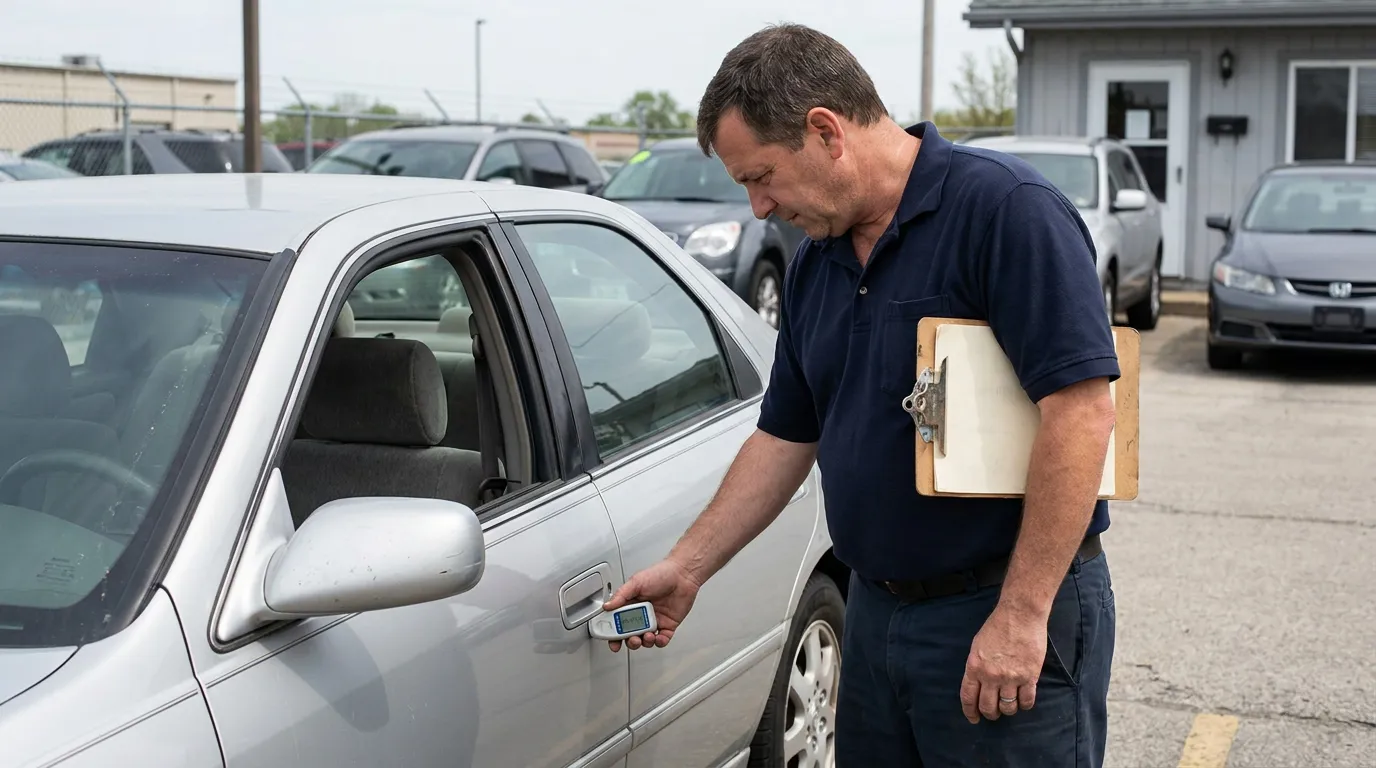
What Diminished Value Means in a Property Damage Claim
Diminished value is the difference between what a vehicle was worth before an accident and what it is worth after repairs. Buyers and dealers often pay less for a car with an accident history, even when it looks and drives the same. Illinois courts generally limit total property damage to the drop in the vehicle’s market value, so repair costs plus remaining lost value usually can’t exceed the difference between the car’s value right before and right after the crash.
Insurers and appraisers use several methods to put a dollar figure on this loss. One common method is the "17c formula," which applies a damage multiplier and a mileage adjustment to a portion of the vehicle’s pre-loss value. Illinois law does not require the formula, and many claimants and appraisers dispute it because it can produce low numbers. You can read more about how diminished value is calculated before you look at an insurer’s offer.
Why Ownership Matters for Diminished Value Eligibility
Diminished value is a loss to the vehicle itself, so the right to recover it is generally tied to ownership. If you own the car outright, the lost market value is typically your loss alone. If someone else holds title or has a security interest, that party may also have a stake in any recovery.
Who Typically Has Standing to File an Illinois Diminished Value Claim
In general, the person or entity that owns the damaged vehicle has the strongest basis to pursue the claim. The most common claimants include:
- Outright owners: A not-at-fault driver with clear title can usually bring a third-party diminished value claim against the at-fault driver, typically handled by that driver’s liability insurer.
- Lessors (leasing companies): As the legal owner of a leased car, the lessor may have a direct interest in the lost market value.
- Lessees: Depending on the lease terms, a lessee may have rights or obligations connected to the damage, especially at lease end.
- Financed car owners: The borrower usually holds title, but the lender may have a recognized interest in payments for vehicle damage.
Third-party claims usually work differently from claims under your own policy. When another driver’s negligence caused the crash, Illinois law generally lets the injured party seek compensation from that driver for property damage, and courts may include lost market value. Under Illinois’s modified comparative fault rule (735 ILCS 5/2-1116), your recovery is reduced by your share of fault, and you can’t recover at all if you were more than 50% at fault. A first-party claim under your own collision coverage depends on your policy language. Many policies limit or exclude diminished value, and an Illinois Appellate Court has held that a standard repair-or-replace policy did not require the insurer to pay for it (Sims v. Allstate Ins. Co., 2006). Diminished value is one of several categories of loss covered in our discussion of damages Illinois crash victims recover.
💡 Pro Tip: Get a copy of your title, loan agreement, or lease before you talk with an adjuster. Knowing who is listed as owner or lienholder can head off delays.
Leased Vehicle Diminished Value: What the Lease Controls
A leased vehicle diminished value claim usually begins with the lease agreement, not the insurance policy. Under the Illinois [Motor Vehicle Leasing Act](https://www.ilga.gov/legislation/ilcs/ilcs3.asp?ActID=2373&ChapterID=815 ILCS 636), 815 ILCS 636/10.45, a consumer lease transfers only the "right of possession for use" of a vehicle for more than one year. You generally have the right to drive the car, but you generally do not own it.
The Holder Owns the Vehicle
Illinois law defines the "holder" as the lessor or owner of a vehicle under a consumer lease, including an assignee for the period it owns the lease (815 ILCS 636/10.70). In practice, the leasing company, or a bank that bought the lease, holds legal ownership. Because diminished value reflects a loss in market value, the holder may claim that loss, or the lease may say who can pursue it and how any recovery is divided.
Both the lessee and the lessor generally have insurable interests in a leased car. Under 815 ILCS 636/25(g), if the lessee does not keep the required insurance, the holder "may buy insurance insuring substantially the same risks for either the interest of the lessee and the holder or the interest of either of them."
Lease-End Charges Can Make the Damage Your Problem
Repaired accident damage may still come back as a charge when you return the car. Under 815 ILCS 636/55(a)-(b), the holder must send an itemized bill for excess wear and damage no later than 30 days after the vehicle is returned. The statute also says nothing limits the lessee’s liability for "obscured or concealed structural or safety damage discovered by the holder after the return of the vehicle."
Total Losses and the Gap Amount
When a leased car is totaled, different rules may decide what you still owe. Under 815 ILCS 636/10.55 and 636/20(a), the "gap amount" is the difference between what the lessee owes after a total loss and the actual cash value the lessor receives. The lease must disclose whether the lessee is responsible for that gap. Under 815 ILCS 636/40(b), the realized value in a total loss includes money the holder receives "from the lessee’s insurance company or from any other party in payment of the loss," plus the deductible.
| Situation | Who Holds Title | Who May Have an Interest in Recovery |
|---|---|---|
| Owned outright | Driver/owner | Owner |
| Financed vehicle | Borrower (lien noted) | Owner and lienholder |
| Consumer lease | Lessor/holder | Holder, with lessee rights set by lease |
| Total loss (lease) | Lessor/holder | Holder first; gap terms affect lessee |
Financed Car Claims and Lienholder Rights
If you financed your car, you usually hold title, but your lender may have a recognized interest in payments for vehicle damage. Many loan agreements require you to keep coverage and name the lender as loss payee, so an insurer may issue a damage check payable to both you and the lender.
Illinois rideshare insurance law offers a clear example of joint payment. Under 625 ILCS 57/10(i), comprehensive or collision payments from a transportation network company’s insurer must go "directly to the business repairing the vehicle, or jointly to the owner of the vehicle and the primary lienholder on the covered vehicle." Review your loan contract to see whether your lender has rights in a diminished value payment.
💡 Pro Tip: If a check names both you and your lender, contact the lender early. Lenders often have a set endorsement process, and waiting can hold up your recovery.
When an Uber or Lyft Driver Causes the Crash
A not-at-fault driver hit by a rideshare driver may have access to more coverage, depending on what the driver was doing. Under 625 ILCS 57/10(b)(1), a driver logged into the app but not yet matched with a ride must carry at least $25,000 in property damage liability coverage. From the time a ride is accepted until the passenger leaves the vehicle, 625 ILCS 57/10(c)(1) requires primary coverage of at least $1,000,000 for death, personal injury, and property damage. Insurers may dispute when a ride was accepted, so trip records and app data can matter.
Practical Steps Before You File
A few organized steps may help strengthen a claim and avoid standing disputes. Gather your title or lease, loan documents, repair invoices, photos, and the police report. An independent appraisal from someone familiar with your local market may support a higher figure than the insurer’s formula.
Timing also matters. In Illinois, lawsuits for damage to personal property are generally subject to a five-year statute of limitations under 735 ILCS 5/13-205. Personal injury lawsuits generally must be filed within two years under 735 ILCS 5/13-202. Claims against local government entities are generally limited to one year under the Tort Immunity Act (745 ILCS 10/8-101), and some agencies require written notice even sooner.
💡 Pro Tip: Do not sign a property damage release until you know whether it covers diminished value. Some releases settle all vehicle-related claims, including lost market value.
Frequently Asked Questions
1. Can I file a diminished value claim if I was at fault?
If you were more than 50% at fault, you generally can’t recover from the other driver. If you were partly at fault but not more than 50%, your recovery is reduced by your share of fault. Your own policy may or may not cover diminished value, and many policies exclude it.
2. Can a lessee file a diminished value claim in Illinois?
It depends on the lease. Because the lessor generally owns the car under 815 ILCS 636/10.70, the holder may have the primary claim, but the lease may give the lessee certain rights or responsibilities.
3. Does my lender get part of a diminished value payment?
Possibly. If your loan agreement names the lender as loss payee or gives it an interest in damage payments, the insurer may make payments jointly to you and the lender.
4. Is the 17c formula required in Illinois?
No Illinois statute requires insurers to use the 17c formula. It is an industry method, and you may challenge its results with independent evidence.
5. Can I recover diminished value if my car was totaled?
Generally, a total loss is valued based on actual cash value instead of diminished value. For leased cars, 815 ILCS 636/40(b) explains how insurance and third-party payments count toward the realized value.
Protecting Your Right to Recover Lost Vehicle Value
Who can bring an Illinois diminished value claim depends on ownership, the lease or loan documents, and who caused the crash. Outright owners who were not at fault generally have the clearest path, while lessees and financed car owners may need to coordinate with a lessor or lender. Talking with an Illinois diminished value claim lawyer may help you figure out who has standing before you deal with the insurer.
McDevitt and Cobb P.C. helps people injured in motor vehicle accidents across Illinois, including DuPage, Will, Kankakee, and Winnebago counties. Call 312-332-0072 or schedule your consultation today to talk about your property damage and injury claims.
Disclaimer: This content is for informational purposes only and is not legal advice. Every case is unique, and results may vary. Consult an attorney about your specific circumstances.