What Determines the Value of a Whiplash Claim in Illinois?
Key Takeaways: Illinois has no set formula for whiplash settlements, so a claim’s value depends on documented economic losses like medical bills and lost wages, plus non-economic harm such as pain and lost enjoyment of daily life. Strong medical records made soon after the crash can help answer insurer arguments that a low-speed collision could not have caused a real injury. Under Illinois modified comparative fault, your damages are generally reduced by your share of fault, and you generally cannot recover anything if you are more than 50% at fault. Health care providers who serve proper notice may place liens on your settlement, but all health care liens together are generally capped at 40% of the recovery. Most personal injury claims must be filed within two years, while claims against local government entities generally must be filed within one year.
An Illinois whiplash settlement generally comes down to a few things: your provable losses, the strength of the evidence on fault and causation, any shared fault, available insurance coverage, and what is left after liens and other deductions are paid. There is no set formula in Illinois law. Insurers and courts may look at medical bills, lost income, the length of treatment, and how much the pain disrupts daily life. Whether your crash happened in Will County, DuPage County, Kankakee, or Winnebago County, the same state rules on deadlines, comparative fault and lien caps generally apply.
If a neck injury from a crash is affecting your work or family life, McDevitt and Cobb P.C. can review your claim and explain how Illinois law may apply. Call 312-332-0072 or contact us now to schedule a consultation.
Why Whiplash Claims Are So Common and So Often Disputed
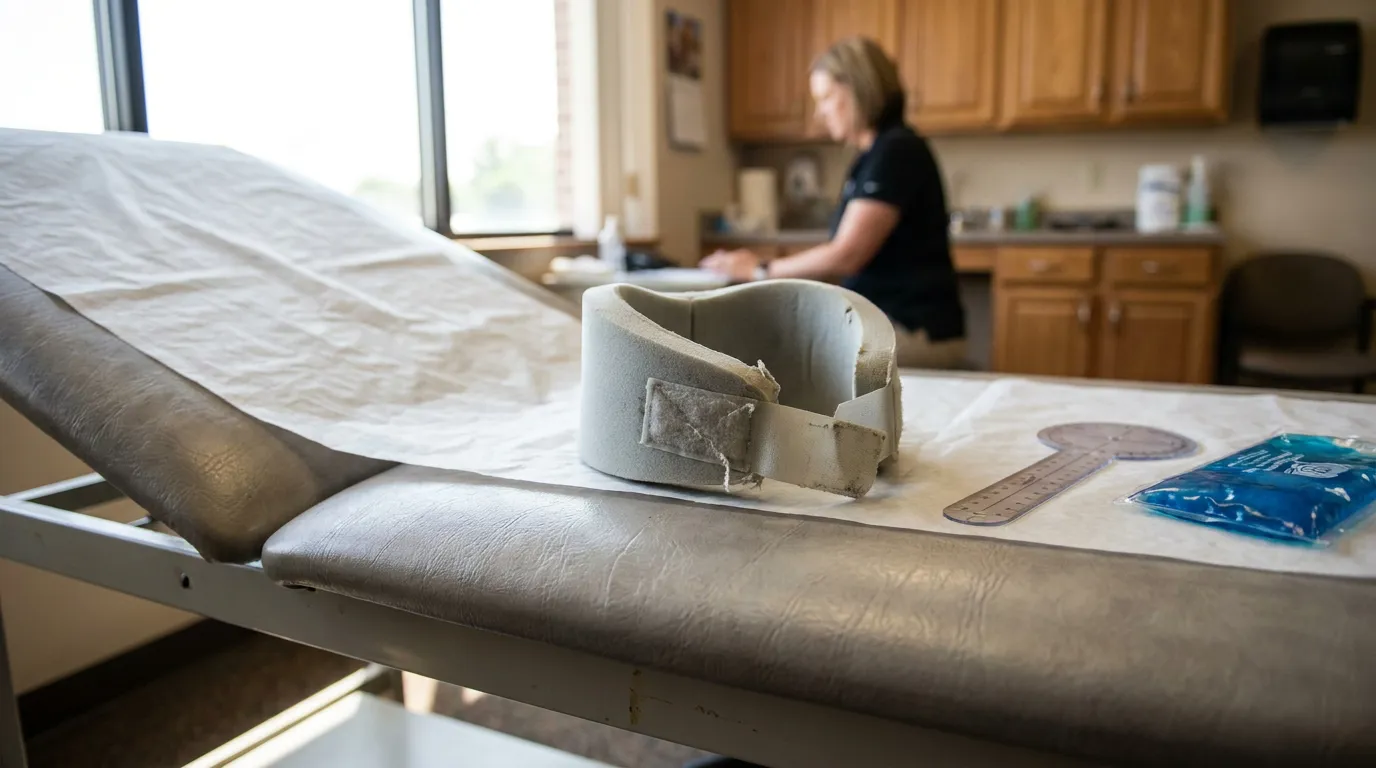
Whiplash is widely reported as one of the most common injuries in vehicle collisions, so insurers handle these claims all the time. Adjusters know the typical treatment patterns and costs, and they often push back on soft tissue injuries that do not appear on imaging.
How Whiplash Happens
Medically, whiplash is described as a soft-tissue neck injury caused by a sudden back-and-forth jerking motion, and rear-end collisions are a common cause. Common symptoms include neck pain and stiffness, headaches, shoulder pain, and reduced range of motion. Some people feel symptoms right away. Others notice them hours or days later.
Why Causation Becomes an Issue
Insurers often argue that a low-speed crash could not have caused a real injury. Safety advocates have noted that standard crash testing does not fully measure the forces that cause whiplash, leaving severity and causation open to dispute. Prompt medical documentation linking your symptoms to the crash can be one of the strongest answers to that argument.
The Building Blocks of a Whiplash Settlement Calculation
A whiplash settlement calculation usually starts with economic losses and then adds non-economic harm. These categories are not fixed by statute. They reflect the losses insurers and juries commonly consider. For a broader overview, see our guide to Illinois car accident damages.
Economic Damages
Economic damages are the losses you can document with bills, receipts, and pay records. They commonly include:
- Emergency room, primary care, and orthopedic visits
- Physical therapy, pain medication, and imaging
- Expected future treatment, if a doctor supports it
- Lost wages and reduced ability to earn
- Property damage to your vehicle
Standard whiplash treatment often includes short-term rest, pain relievers, physical therapy, and a gradual return to activity. Each step creates a record that helps establish medical costs. Gaps in treatment or stopping therapy early may give an insurer a reason to argue the injury resolved sooner or was not caused by the crash.
Pain and Suffering for Whiplash
Non-economic damages compensate for pain, discomfort, and lost enjoyment of everyday activities. Consider a parent who can no longer lift a child, or a worker who cannot turn their head to check blind spots. Those are real losses even when medical bills are modest. Courts and insurers may consider how long symptoms last, whether the pain becomes chronic, and how well your records show its effect on your life.
💡 Pro Tip: Keep a short daily journal of your pain levels, missed activities, and sleep problems. Notes written at the time can support a pain and suffering claim more effectively than memories recalled months later.
How Shared Fault Can Reduce a Whiplash Car Accident Settlement
Illinois uses modified comparative fault, which can reduce or completely bar your recovery. Under 735 ILCS 5/2-1116, if you are found 50% or less at fault, your damages are reduced in proportion to your share of fault. If you are found more than 50% at fault, you cannot recover damages.
Rear-end drivers are often blamed for these crashes, but an insurer may still argue that you braked suddenly or had faulty brake lights. For example, if you are found 20% at fault on a $50,000 claim, your recovery may drop to $40,000. Photos, witness statements, and dashcam footage can matter a great deal.
Rideshare crashes add another layer of insurance questions. Under 625 ILCS 57/10(b), from the time a driver logs into the app until a ride request is accepted, liability coverage must be at least $50,000 per person and $100,000 per incident for injury or death, plus $25,000 for property damage. Higher requirements apply once a ride is accepted and during the trip. The Transportation Network Providers Act contains a repeal date, so confirm the current law before relying on these limits.
Medical Liens: The Difference Between Gross and Net Recovery
The settlement figure you agree to is often not the amount you receive. Under the Health Care Services Lien Act, 770 ILCS 23/10(a), every health care professional and provider who treats an injured person has a lien on the person’s claim for reasonable charges. Other liens or reimbursement claims, such as from Medicare, Medicaid, or certain health plans, may be governed by different rules.
Illinois Lien Caps
Illinois limits how much of a recovery health care liens can take. The table below summarizes 770 ILCS 23/10(a) and (c).
| Rule | Limit |
|---|---|
| Total of all health care liens | 40% of the verdict, judgment, award, or settlement |
| Any single licensed category (for example, all hospitals) | One-third of the recovery |
| If liens meet or exceed 40% | 20% to health care professionals and 20% to providers, with unused amounts reallocated within the 40% cap |
| Attorney liens in that situation | Capped at 30%, unless an appeal is taken |
These caps keep medical liens from taking an injured person’s entire recovery. Under 770 ILCS 23/10(c), only the lienholder can waive or reduce its lien, which is why negotiating liens is often an important step in finalizing a claim.
Notice Requirements That Affect Liens
A lien is generally enforceable only if the provider serves proper written notice. Under 770 ILCS 23/10(b), notice must be served by registered or certified mail or in person on both the injured person and the party alleged to be liable, and must include specific details such as the date of injury. Good-faith payments made before notice is served bar the lien to the extent of those payments.
Once notice is served, the lien attaches to any verdict, judgment, award, settlement, or compromise under 770 ILCS 23/20. Under 770 ILCS 23/15, you also generally cannot collect a settlement without first giving written notice to each provider that served a lien notice.
Deadlines That Shape Settlement Leverage
Most Illinois personal injury lawsuits, including whiplash claims, must be filed within two years under 735 ILCS 5/13-202. This Illinois statute of limitations shapes negotiations, because insurers know that a claimant who misses the deadline generally loses the ability to sue. Limited exceptions, such as for minors, may extend the deadline.
Claims against local government entities generally have a shorter deadline. Under 745 ILCS 10/8-101, civil actions against a local public entity or its employees must generally be filed within one year. Claims against the State of Illinois follow different rules and are generally handled in the Court of Claims.
Common Challenges in Valuing a Whiplash Claim
Several recurring problems can lower the value of a whiplash claim. Delays in seeking treatment, gaps between appointments, earlier neck injuries, and recorded statements given to the other driver’s insurer are among the most common. Posting about your activities on social media can also be used to challenge claims of pain.
💡 Pro Tip: Before settling, ask every provider for an itemized statement and confirm whether they have served a lien notice. Knowing your lien exposure ahead of time helps you judge whether an offer is fair after deductions.
Working with a whiplash car accident settlement lawyer may help you organize medical evidence, respond to causation arguments, and handle lien negotiations. No attorney can guarantee a specific outcome. Every claim depends on its own facts.
Frequently Asked Questions
1. Is there a standard whiplash settlement amount in Illinois?
No. Illinois law does not set a fixed value for whiplash claims. A settlement may depend on medical costs, lost wages, how long symptoms last, the evidence on fault, and insurance limits.
2. Can my doctor take part of my settlement?
Possibly. Under 770 ILCS 23/10, treating providers may assert liens for reasonable charges. All health care liens together are generally capped at 40% of the recovery, and proper notice is required.
3. What if I was partly at fault for the crash?
Under 735 ILCS 5/2-1116, your damages are reduced in proportion to your share of fault if it is 50% or less. If your fault is greater than 50%, recovery is barred.
4. How long do I have to pursue a whiplash claim?
Generally two years from the injury under 735 ILCS 5/13-202. Claims against local government entities generally carry a one-year deadline under 745 ILCS 10/8-101, and limited exceptions may apply.
5. Does a delay in symptoms hurt my claim?
It can make causation harder to prove, but delayed symptoms are common with whiplash. Seeing a doctor promptly and describing your symptoms accurately may help connect them to the crash.
Protecting the Full Value of Your Whiplash Claim
The value of a whiplash car accident settlement depends on documented losses, fault, insurance coverage, and the lien rules that decide your net recovery. Knowing these rules early can help injured people in DuPage, Will, Kankakee, and Winnebago Counties avoid costly mistakes.
If you are weighing a settlement offer or still treating after a crash, McDevitt and Cobb P.C. can help you understand your options. Call 312-332-0072 or reach out today to discuss your claim.
Disclaimer: This content is for informational purposes only and is not legal advice. Every case is unique, and results may vary. Consult an attorney about your specific circumstances.