How Illinois Law Treats a Broken Repair Promise After an Injury
Key Takeaways: You may be able to sue in Illinois if a property owner promised a repair, never made it, and the hazard injured someone, but a broken promise alone generally does not create liability. Under 740 ILCS 130/2, owners generally owe lawful visitors reasonable care, and a repair promise can be strong evidence that the owner knew about the danger. The voluntary undertaking doctrine can apply when an owner performs a repair negligently (misfeasance). Claims for doing nothing at all (nonfeasance) are treated more cautiously and usually require proof such as reliance on the promise or an increased risk of harm. Lease clauses that try to excuse a landlord’s negligent maintenance are generally void under 765 ILCS 705/1. Most personal injury claims must generally be filed within two years. Claims against local public entities generally have a one-year deadline.
You may be able to sue in Illinois if a property owner promised a repair, never made it, and someone got hurt because of it. Whether the claim works depends on the facts. Illinois courts generally look at whether the owner owed a duty of reasonable care, knew or should have known about the hazard, and whether the failure to fix it caused the injury. A broken promise alone generally does not create liability, but it can be strong evidence of notice and negligence.
If a promised repair was never made and you got hurt on a Chicago property, talking with a personal injury firm early can help protect your options. McDevitt and Cobb P.C. works with injured tenants, visitors, and customers to look into what the owner knew and when. Call 312-332-0072 or contact us now to talk about your situation.
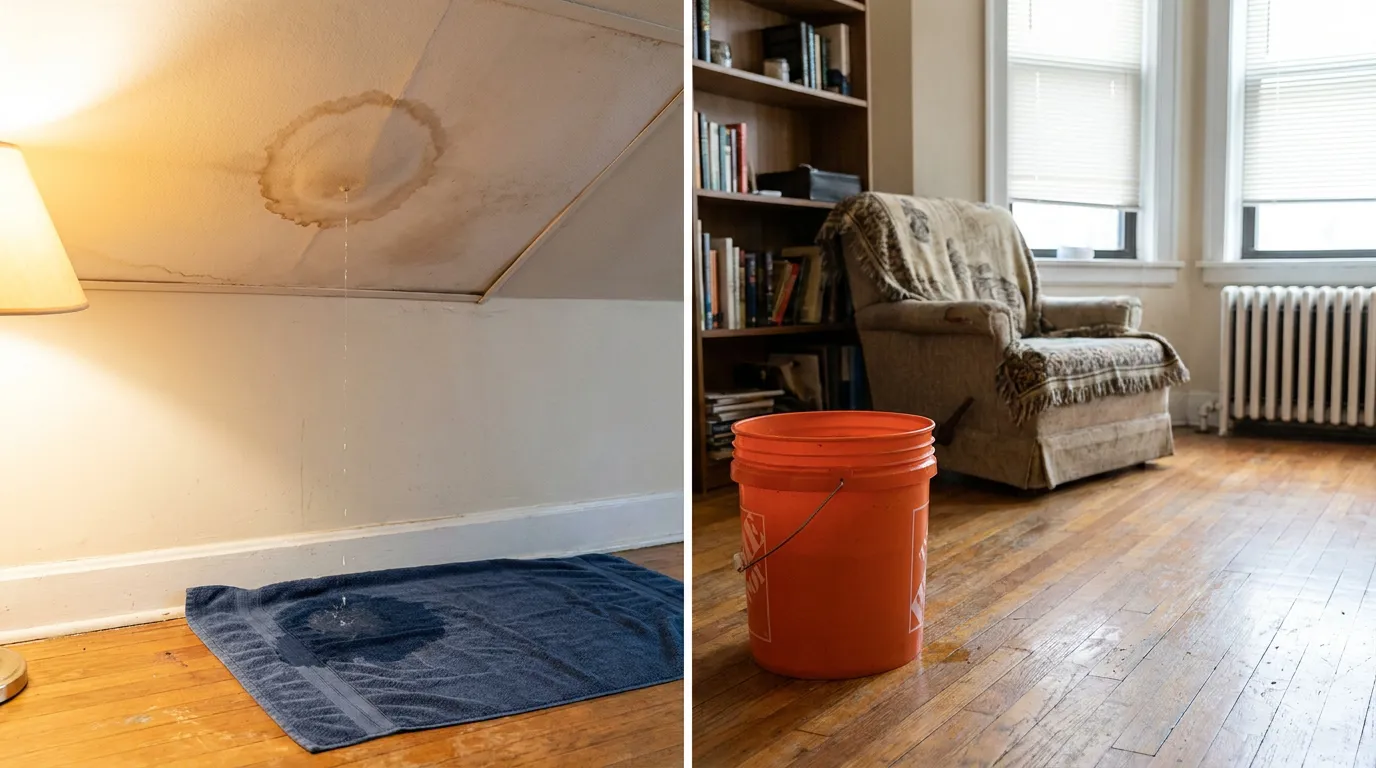
The Duty Illinois Property Owners Already Owe Visitors
In many cases, the owner may already owe you a duty of care, whether or not they promised a repair. Under the Illinois Premises Liability Act, 740 ILCS 130/2, Illinois no longer treats invitees and licensees differently. The statute says the duty owed to people lawfully on the property is "reasonable care under the circumstances regarding the state of the premises or acts done or omitted on them."
The words "acts done or omitted" can matter a lot in repair cases. The duty can cover failures to act, such as leaving a known hazard unfixed. A landlord who leaves a broken stair tread in a common hallway they control for weeks may be breaching this duty even without a promise. Landlords generally are not liable for conditions inside a unit leased to and controlled by a tenant, unless an exception applies, such as a covenant to repair, a code violation, or a defect hidden at the start of the lease. You can read more about Chicago property owners’ duty of care and how it applies to lawful visitors.
Why the Promise Itself Becomes Evidence
A promise to repair often shows that the owner knew about the danger. Owners generally have no duty to warn about latent defects they did not know about, and lack of notice is a common defense. A text message saying "We’ll fix that railing next week" may help answer that defense directly.
💡 Pro Tip: Screenshot and back up every text, email, or portal message where a landlord or manager acknowledged the hazard. Messages can disappear.
Understanding the Voluntary Undertaking Doctrine Illinois Courts Apply
The voluntary undertaking doctrine Illinois courts recognize holds that a person who chooses to perform a service may be liable if they perform it negligently. Illinois courts have drawn this principle from the Restatement (Second) of Torts §§ 323 and 324A. Courts read the duty narrowly and confine it to the scope of what the person actually undertook. In cases like Frye v. Medicare-Glaser Corp., 153 Ill. 2d 26 (1992), and Wakulich v. Mraz, 203 Ill. 2d 223 (2003), the Illinois Supreme Court discussed how far a voluntary undertaking extends.
Misfeasance vs Nonfeasance in Illinois
Whether a case involves misfeasance or nonfeasance often decides whether a claim based only on a promise survives. Misfeasance means doing a task badly, for example patching a stair with a loose board. Nonfeasance means promising to act and then doing nothing. Illinois courts have historically been more reluctant to impose tort liability for bare nonfeasance, but may allow it in limited circumstances, such as when the injured person relied on the promise to their harm, or when the failure increased the risk of harm.
| Scenario | Likely Legal Theory | Key Proof Issue |
|---|---|---|
| Owner promised a fix, did nothing, and the hazard is in a common area | Ordinary negligence under 740 ILCS 130/2 | Notice and unreasonable risk |
| Owner attempted a repair and did it poorly | Voluntary undertaking (misfeasance) | Scope and quality of the work |
| Owner promised and you relied on the promise | Possible nonfeasance claim | Reliance and increased risk |
| Lease or law required the repair | Negligence plus contract or statutory duty | Lease terms and code rules |
When a Partial Fix Creates New Danger
A careless or half-finished repair can make a hazard worse by hiding it. A loose railing that was "tightened" may look safe while still failing under weight. In these cases, a voluntary undertaking theory may be stronger because the owner actively took on the work. Building code analysis and testimony from construction professionals often help show what a proper repair would have required.
Lease Clauses Generally Cannot Excuse a Landlord’s Negligence
A "landlord not responsible" clause usually will not block an injury claim based on negligent maintenance. Under 765 ILCS 705/1(a), any lease provision exempting the lessor from liability for injuries caused by negligence "in the operation or maintenance of the demised premises" is void as against public policy. Under 765 ILCS 705/1(b), a commercial lease may excuse the landlord from liability for property damage only. Clauses excusing liability for personal injury caused by negligence remain void in both residential and commercial leases.
Tenant Repair Tools That Also Build an Injury Record
Illinois tenants have some repair remedies that can also create useful evidence. Under the Residential Tenants’ Right to Repair Act, 765 ILCS 742/5, if a required repair costs no more than $500 or half the monthly rent, whichever is less, the tenant may send written notice by registered or certified mail. If the landlord does not make the repair within 14 days, or sooner in an emergency, the tenant may have the work done and deduct the cost. The Act has conditions and exclusions, including repairs that require a permit and damage the tenant caused.
Chicago tenants may have more options under the Residential Landlord and Tenant Ordinance (RLTO). If a landlord materially fails to meet maintenance obligations affecting health and safety, a tenant who gives proper written notice may be able to terminate the lease early. These remedies are separate from a personal injury lawsuit, and using them does not automatically create or waive an injury claim. Certified mail receipts and written notices can still become strong proof of notice later.
Defenses You Should Expect and How Evidence Answers Them
Owners and insurers commonly push back on repair-promise claims with a few familiar arguments. Under 740 ILCS 130/2 and 130/3 and Illinois case law, defendants may argue:
- The hazard was open and obvious or known to the injured person
- The injured person misused the premises or the defective item
- The owner did not know about the defect
- The injured person was an adult trespasser, who is generally owed only freedom from willful and wanton conduct (the rules for child trespassers are different)
A repair promise can weaken the "unknown defect" defense in particular. Courts may also recognize exceptions to the open-and-obvious rule, such as the "deliberate encounter" exception, which can apply when a person has to use the only available stairway. Illinois also uses modified comparative fault (735 ILCS 5/2-1116). Your recovery can be reduced by your share of fault, and you recover nothing if you are found more than 50% at fault.
💡 Pro Tip: Photograph the hazard from several angles as soon as you safely can, and include something for scale. Repairs often happen quickly after an injury.
Deadlines Can Differ Depending on the Legal Theory
The deadline that applies depends on how the claim is framed. Personal injury claims in Illinois are generally subject to a two-year limitations period under 735 ILCS 5/13-202. Contract-based claims follow different periods: generally five years for unwritten contracts under 735 ILCS 5/13-205 and ten years for written contracts under 735 ILCS 5/13-206. Courts usually apply the injury deadline to personal injury damages, even when the claim is framed as a contract claim. Claims against local public entities, such as the Chicago Housing Authority, generally must be filed within one year under 745 ILCS 10/8-101, and immunity defenses may apply.
Frequently Asked Questions
1. Is a verbal repair promise enough to support an injury claim?
A verbal promise can be evidence that the owner knew about the hazard, though proving it may be harder without witnesses or follow-up messages. Your claim usually rests on negligence, and the promise mainly supports notice.
2. Does the voluntary undertaking doctrine apply if the owner never started the repair?
Possibly, though Illinois courts are generally more cautious with nonfeasance. Reliance on the promise or an increased risk of harm may matter. Your claim may still proceed under ordinary premises liability.
3. Can a guest of a tenant sue the landlord?
In many cases, possibly. Lawful visitors are generally owed reasonable care under 740 ILCS 130/2, especially in common areas the landlord controls. Claims about conditions inside a tenant’s unit are more limited.
4. What if my lease says the landlord isn’t liable for injuries?
Under 765 ILCS 705/1, clauses like that are generally void when the injury comes from the landlord’s negligent maintenance.
5. Should I stop paying rent because of the unfixed hazard?
Withholding rent without following statutory procedures may expose you to eviction. Speak with a lawyer before using any self-help remedy.
Turning a Broken Promise Into Proof
An unkept repair promise generally does not create a lawsuit by itself, but it can become key evidence when someone is injured. Illinois law generally requires owners to use reasonable care, which may include fixing known hazards in areas they control, and lease clauses generally cannot excuse negligent maintenance. A voluntary undertaking doctrine Illinois lawyer can help review your evidence and deadlines.
If you were hurt after a property owner failed to make a promised repair, you do not have to sort it out alone. McDevitt and Cobb P.C. helps injured people across Chicago pursue accountability for dangerous property conditions. Call 312-332-0072 or schedule your consultation today.
Disclaimer: This content is for informational purposes only and is not legal advice. Every case is unique, and results may vary. Consult an attorney about your specific circumstances.