Understanding Your Rights After a Fall in a Shared Building Space
Key Takeaways: Chicago renters can sue over injuries in apartment common areas when a hazardous condition results from a landlord’s failure to meet maintenance duties. Illinois law requires landlords to keep shared spaces like stairwells, hallways, lighting, and elevators safe and in good repair. Success hinges on proving negligence, including that the landlord had actual or constructive notice of the danger. Protections include repair-and-deduct remedies for emergencies, anti-retaliation safeguards for reporting violations, and lease-based remedies with recoverable damages. Liability may shift to tenants who arranged substandard repairs, and strict filing deadlines apply, generally two years for private property but only one year when a public entity is involved. Prompt documentation, medical care, and legal guidance are essential.
Yes, Chicago renters can pursue legal claims when hurt in apartment common areas, provided the injury resulted from a hazardous condition the landlord had a duty to address. Common areas like stairwells, hallways, entryways, parking lots, and laundry rooms fall under a landlord’s maintenance responsibilities, and Illinois law gives tenants protections when those spaces become dangerous. Property owners may be held liable if they fail to maintain safe conditions or warn about hazards. Recovery depends on the specific facts, the source of the defect, and whether the landlord knew or should have known about the danger.
If you were injured in a shared space and are unsure who is responsible, the team at McDevitt and Cobb P.C. is prepared to review your situation. Call our office at 312-332-0072 or reach out through our contact page to discuss your options.
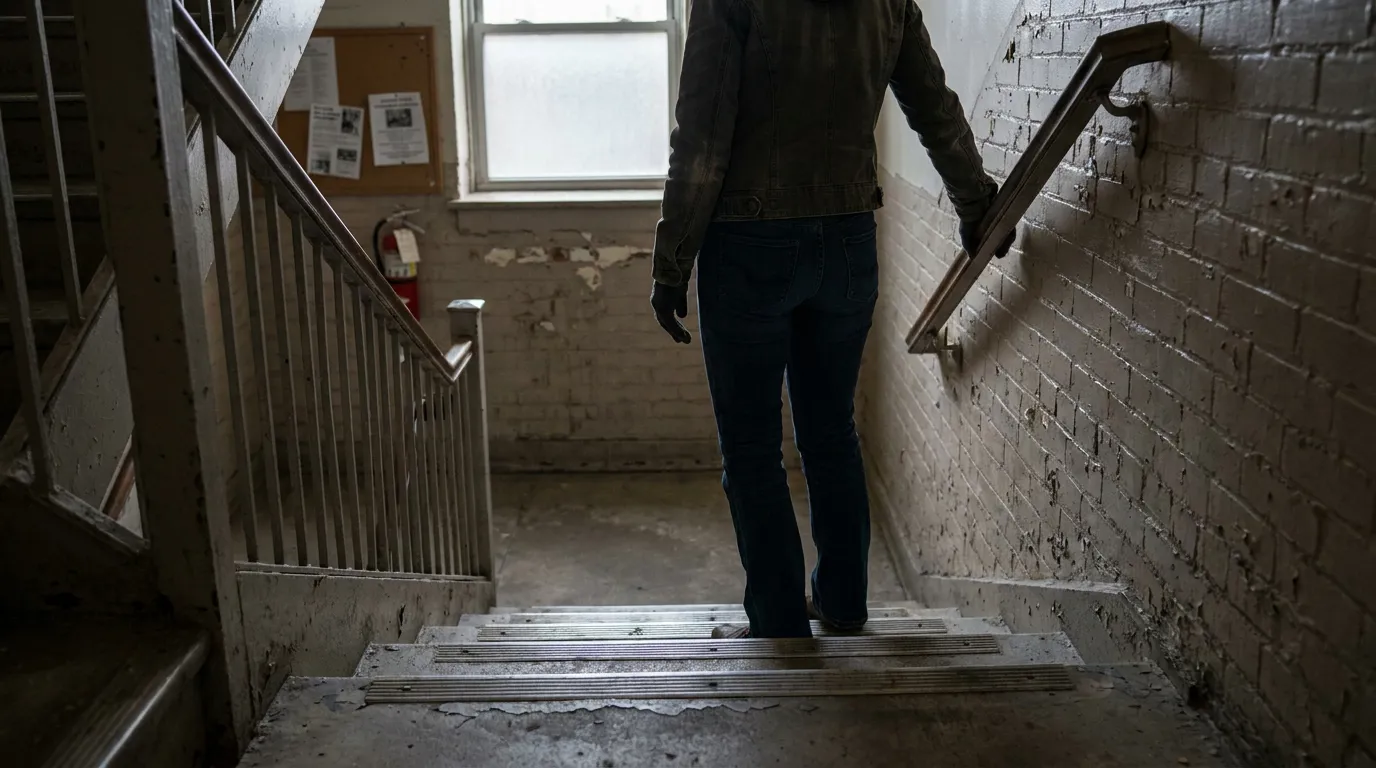
What Illinois Law Requires Landlords to Maintain
Illinois tenants have a codified right to safe, habitable housing that extends to shared building portions. These protections are not limited to the interior of a rented unit.
Habitability standards identify specific common-area features that must be kept in good repair. Under Chicago municipal provisions, specifically Sections 5-12-070 and 5-12-110 of the Chicago Residential Landlord and Tenant Ordinance (Chapter 5-12 of the Chicago Municipal Code), enumerated features include:
-
Adequate hall or stairway lighting
-
Stairways or porches with structural integrity, in sound condition, and maintained in good repair
-
Elevators and exits maintained in good repair
These duties matter because a broken handrail, dim stairwell, or cracked step can each form the basis of an apartment common area injury claim. Illinois municipal tenant codes explicitly require landlords to keep common areas fit and habitable, giving renters a codified basis for claiming a landlord breached a maintenance duty. Chicago’s RLTO Sections 5-12-070 and 5-12-110, for instance, require dwelling units and common areas to remain fit and habitable and in compliance with applicable regulations.
💡 Pro Tip: Photograph the hazardous condition as soon as possible after an injury and keep any written maintenance requests. Documentation showing the defect and its timeline can be decisive in a common area negligence case.
Proving Landlord Liability in Illinois
Liability in a rental property injury case generally turns on negligence, not on the mere fact that an accident occurred. To succeed, an injured tenant must show that the landlord owed a duty, breached that duty, and that the breach directly caused the injury and resulting damages.
One key factor is whether the landlord had actual or constructive notice of the dangerous condition. A landlord who knew about a hazard, or who should have discovered it through reasonable inspection, faces different liability than one facing a sudden, unforeseeable defect. Our discussion of constructive notice explains the concept in the Illinois context.
How Your Legal Status Affects the Duty Owed
The duty a property owner owes depends on the injured person’s legal status. Under the Illinois Premises Liability Act (740 ILCS 130/2), the duty depends on whether the visitor is a lawful entrant (invitee or licensee) or a trespasser. Illinois abolished the common-law distinction between invitees and licensees in 1984, so paying tenants and invited guests are both owed the same standard of reasonable care under the circumstances, while trespassers receive significantly lower protection.
When Tenant Repairs Can Shift Responsibility
Not every common area injury leads to landlord liability, because Illinois law also places duties on tenants who arrange their own repairs. If a tenant’s repair work on a common area subsequently causes an injury, the tenant, not the landlord, may bear liability. Under 765 ILCS 742/15, a tenant is responsible for ensuring repairs are performed in a workmanlike manner and that any tradesman is adequately insured.
💡 Pro Tip: If you ever arranged a repair in a shared space, keep the contractor’s name and insurance information. Establishing who performed work can clarify responsibility later.
Emergency Conditions and the Right to Repair
Illinois law recognizes that some dangerous conditions cannot wait. Illinois law allows residential tenants to arrange and deduct the cost of certain qualifying repairs from their rent, generally limited to the lesser of $500 or one-half of one month’s rent, when a landlord fails to address them within 14 days of written notice, or more promptly in emergencies. Under 765 ILCS 742/5, emergencies explicitly include any condition that poses an immediate threat to the health or safety of any occupant of the dwelling or common area.
Illinois also protects tenants who report unsafe conditions to the authorities. Under Illinois law, it is against public policy for a landlord to retaliate against a tenant who reports building, housing, health, or safety code violations to a government agency. This protection appears in 765 ILCS 721/5, and the prohibition on retaliatory conduct by landlords reinforces a tenant’s ability to speak up.
How a Premises Liability Lawyer in Chicago Can Help Injured Renters
A premises liability lawyer in Chicago can help an injured tenant connect a hazardous condition to a landlord’s legal duty and pursue appropriate compensation. Building a strong claim requires code analysis, evidence of notice, and documentation of how the injury occurred. An experienced attorney can investigate the landlord’s maintenance history, identify violations of the Chicago Residential Landlord and Tenant Ordinance, and gather evidence to establish constructive or actual notice of the unsafe condition.
Injured renters may also have contract-based remedies in addition to negligence claims. Illinois law provides tenants with a private right of action under certain statutes. Under 765 ILCS 752/30 (the Summary of Rights for Safer Homes Act, effective January 1, 2026), a landlord found liable for failing to attach the required Illinois Department of Human Rights summary of housing protections for domestic and sexual violence survivors to a written residential lease may owe the tenant the greater of actual damages up to $2,000 or $100, plus court costs and reasonable attorney’s fees. This statute does not create a general remedy for all written residential lease requirement violations.
Most property owners turn to liability insurance, which covers legal defense, settlements, and judgments. That is why landlords and their insurers often dispute notice, causation, or injury severity. To learn more about how our firm approaches premises liability Chicago cases, you can review our dedicated practice page.
💡 Pro Tip: Seek medical care promptly and follow through with treatment. Gaps in care are frequently used by insurers to challenge the connection between the hazard and your injuries.
Deadlines That Can Determine Whether You Recover
Time limits are among the most important considerations in any Illinois premises liability claim. A renter injured in a common area would generally bring a negligence claim, and Illinois sets filing deadlines for such actions. Reviewing the state’s list of selected statutes of limitations can help renters understand why delay is risky.
A much shorter deadline can apply when a public entity is involved. If the injury involves a government-owned or public housing common area, a one-year deadline may apply against local public entities. That one-year period appears in 745 ILCS 10/8-101 for local public entities. Claims against the State of Illinois generally proceed in the Court of Claims under 705 ILCS 505/8. The related notice provision, 705 ILCS 505/22-1, requires claimants who intend to commence an action in the Court of Claims to file a notice of personal injury claim with the office of the Attorney General (and the relevant State agency) within one year of the injury or accrual of the cause of action; however, a claimant is not required to file this pre-suit notice if they file their claim directly with the Clerk of the Court of Claims within one year of accrual.
| Type of Claim | General Deadline | Example Statute |
|---|---|---|
| Personal injury (private property) | Commonly 2 years | 735 ILCS 5/13-202 |
| Local public entity | Commonly 1 year | 745 ILCS 10/8-101 |
| Illinois state actions | Court of Claims period | 705 ILCS 505/22-1 |
💡 Pro Tip: If your building is owned or operated by a housing authority or other government body, treat the deadline as urgent. The shorter public-entity window can pass quickly.
Frequently Asked Questions
1. What counts as a common area in an apartment building?
Common areas are the shared spaces that tenants and their guests use in addition to individual units. These include stairwells, hallways, entryways, elevators, parking lots, and laundry rooms. Landlords typically retain control over these spaces, which is why maintenance duties attach to them.
2. Can I recover if inadequate security led to my injury?
Possibly, because owner liability extends beyond ordinary accidents. This area of law covers slip-and-fall accidents, injuries from hazardous conditions, and assaults due to inadequate security. Whether a criminal act was foreseeable is evaluated case by case.
3. What compensation might be available to an injured tenant?
An injured renter may seek compensation tied to the harm caused by the hazard. Recoverable damages can include medical expenses, lost wages, pain and suffering, and other losses directly resulting from the landlord’s negligence. The amount depends on the specific facts, injury severity, and evidence of negligence.
4. Does reporting a hazard put my tenancy at risk?
Illinois law generally protects tenants who report code violations in good faith. Under 765 ILCS 721/5, a landlord may not retaliate through eviction, rent increases, or reduced services because a tenant complained about a code violation.
5. Do I have to wait for a government agency before filing suit?
No, a civil injury claim is generally separate from any administrative process. Under 765 ILCS 752/30, tenants may bring a private right of action directly against a landlord who fails to comply with the Summary of Rights for Safer Homes Act’s disclosure requirements (i.e., failing to attach the required domestic/sexual violence rights summary to a residential lease), without needing to first seek relief through any administrative agency. This statute does not address general lease violations.
Taking the Next Step Toward Recovery
Chicago renters injured in apartment common areas often have real legal options, but success depends on duty, notice, causation, and timely action. Illinois habitability codes, repair-and-deduct provisions, anti-retaliation protections, and lease-based remedies can each support a claim, while short filing deadlines can quietly foreclose one. Careful documentation and understanding of the governing statutes make a meaningful difference.
If you were hurt in a stairwell, hallway, parking lot, or other shared space, the team at McDevitt and Cobb P.C. is ready to listen and explain your rights. Call us at 312-332-0072 or request a consultation online to take the first step toward protecting your recovery.