Understanding Premises Liability in Illinois
Premises liability is the legal foundation for most injury claims involving unsafe property conditions. In plain terms, premises liability is a legal principle that holds property owners and occupiers accountable for injuries that occur on their property due to unsafe conditions or negligence. A delivery worker who slips on an unsalted loading dock or trips over a broken step is exactly the kind of visitor this doctrine was designed to protect. That said, Illinois generally does not impose liability for injuries caused by the natural accumulation of snow or ice, so ice-related claims often turn on showing an unnatural accumulation or an aggravating condition attributable to the owner.
The claim generally rests on negligence. Liability is based on negligence, and victims may seek compensation for damages such as medical expenses and lost wages. To recover, an injured worker typically must show that the owner owed a duty, breached it, and caused a compensable injury. If you want a deeper walkthrough of the doctrine, our overview of how the Illinois premises liability claim process works explains the moving parts in more detail.
💡 Pro Tip: Photograph the hazard immediately after a fall, from multiple angles and with a time stamp if possible. Conditions like ice, spills, or poor lighting can disappear within hours, and early documentation often becomes central evidence later.
Do Property Owners Owe Delivery Workers a Duty of Care?
In most cases, yes, because Illinois extends a duty of reasonable care to all lawful entrants. Under the Illinois statute governing premises, the distinction under the common law between invitees and licensees as to the duty owed by an owner or occupier of any premises to such entrants is abolished, and the duty owed to such entrants is that of reasonable care under the circumstances regarding the state of the premises or acts done or omitted on them. A delivery worker performing a lawful task is a lawful entrant, so a Chicago property owner generally must maintain reasonably safe conditions.
You can read the controlling statutory text in the Illinois Premises Liability Act at 740 ILCS 130/2. This is the anchor for arguing that an owner failed to keep the premises safe when a hazard causes a workplace fall in Chicago.
The Open and Obvious Exception
The duty of reasonable care has meaningful limits that can defeat a claim. Under 740 ILCS 130/2, the duty does not include a duty to warn of or otherwise take reasonable steps to protect such entrants from conditions on the premises that are known to the entrant, are open and obvious, or can reasonably be expected to be discovered by the entrant. In practice, this means a delivery worker generally cannot recover for injuries caused by a hazard that was plainly visible and easily avoided.
Courts apply this exception on a fact-by-fact basis, and reasonable people can disagree about whether a condition was truly open and obvious. Illinois also recognizes exceptions, such as the distraction exception and the deliberate-encounter exception, that can preserve a claim even when a hazard was open and obvious. That uncertainty is one reason careful documentation and, in some cases, expert analysis of building conditions matter so much.
Your Legal Status on the Property
A worker’s classification on the property can still influence the analysis. Even with the invitee-licensee distinction abolished for the duty of reasonable care, the responsibility owed to a visitor can still depend on whether the visitor is classified as a lawful entrant (invitee or licensee) or a trespasser; trespassers are owed only a duty to refrain from willful and wanton conduct under Illinois law. A delivery worker invited onto commercial or residential property to complete a delivery generally stands in a favorable position compared to an uninvited entrant.
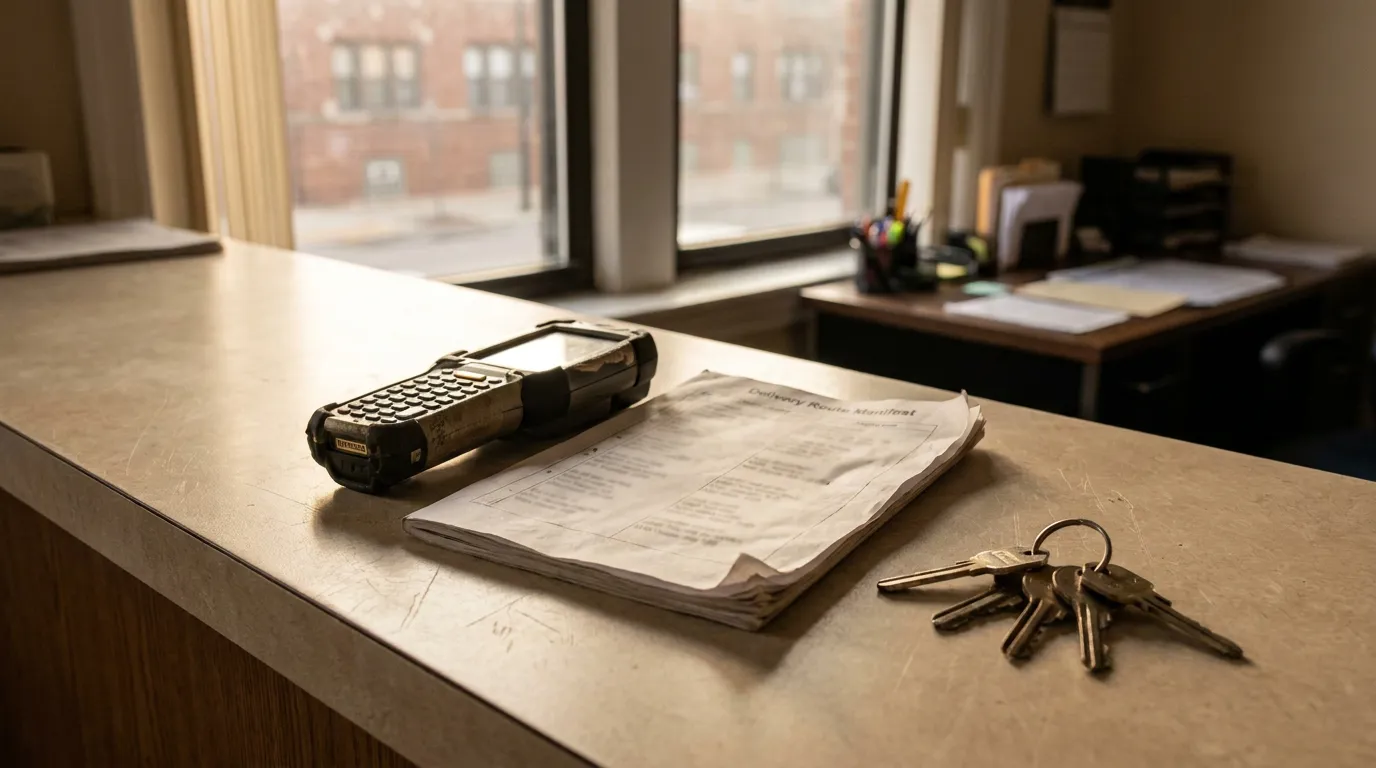
💡 Pro Tip: Save the delivery record, route log, or app screenshot showing you were assigned to that address. It helps establish that you were a lawful entrant rather than someone who wandered onto the property.
How a Premises Liability Lawyer in Chicago Can Help
A premises liability lawyer in Chicago can help translate a painful incident into a documented, provable claim. Building a strong case usually involves gathering incident reports, medical records, and evidence of the hazard, then connecting each element to the owner’s alleged failure. Because premises cases often turn on notice and causation, having guidance from a premises liability lawyer Chicago residents trust can make a real difference in how a claim is presented.
Working with a Chicago injury lawyer generally means someone else handles the investigation while you focus on recovery. A seasoned premises liability lawyer in Chicago can also anticipate common defenses, such as arguments that a hazard was open and obvious or that the owner lacked notice of the condition.
Practical steps that often strengthen a delivery worker injury Chicago claim include:
- Reporting the incident to the property owner or manager in writing as soon as possible
- Seeking prompt medical treatment and keeping every bill and record
- Identifying witnesses and collecting their contact information
- Preserving damaged shoes, equipment, or clothing that may show the conditions
💡 Pro Tip: A workers’ compensation claim through your employer and a third party injury claim against the property owner are separate matters. Pursuing one does not automatically resolve the other, and both may be worth exploring.
Deadlines That Can Make or Break Your Claim
Timing is one of the most unforgiving parts of any Illinois premises liability claim. The general personal injury deadline is two years. Under 735 ILCS 5/13-202, actions for damages for an injury to the person shall be commenced within 2 years next after the cause of action accrued. This statute governs motor vehicle, product liability, and premises liability injury claims in Illinois. You can review the full text of the two-year filing deadline before making any decisions.
There are important variations. If the property or defendant is a governmental entity, a much shorter window may apply. For personal injury and property damage when the defendant is a local public entity or any of its employees, the deadline is one year under 745 ILCS 10/8-101. Certain claims may also be tolled, and children are generally able to sue up to two years after reaching the age of majority. Courts interpret these exceptions narrowly, and tolling or discovery rules do not apply automatically.
| Type of Claim | General Deadline | Governing Statute |
|---|---|---|
| Personal injury / premises liability | 2 years from injury | 735 ILCS 5/13-202 |
| Claim against a local public entity | 1 year from injury | 745 ILCS 10/8-101 |
| Injured claimant who was a minor | Up to 2 years after majority | Tolling principles |
💡 Pro Tip: If your delivery took you to a city building, public school, park district site, or other government property, treat the one-year deadline as your working assumption and act quickly to confirm the correct time limit.
Damages and Limits on What You Can Recover
Recoverable damages generally focus on the real costs an injury imposes on your life. In many premises cases, an injured delivery worker may pursue medical expenses and lost wages tied to the negligence of the property owner. The extent of recovery depends on the strength of the evidence and the specific facts of each case, so no outcome can be promised.
Why Recreational-Use Immunity Rarely Applies to Delivery Workers
Some property owners try to invoke recreational-use protections, but those generally do not fit a working delivery driver. Illinois law is direct on this point. Under 745 ILCS 67/20, nothing in the Act shall be construed to create a duty of ordinary care owed by an owner-lessor to any person on the leased land for a recreational use or to establish the basis for liability of an owner-lessor for injury to persons or property. Because a delivery worker is present for work rather than recreation, that immunity framework typically will not shield a negligent owner from a premises liability claim.
Even so, this remains a litigated area. Commentators have observed that Illinois courts are divided about whether property owners should get the full protection of the statute. That uncertainty underscores why fact-specific analysis matters and why general rules should not be treated as guarantees.
Frequently Asked Questions
1. Can I file a claim if I was partly at fault for the fall?
Possibly, though your degree of fault can reduce or bar recovery. Illinois applies modified comparative fault, so a court may weigh whether you exercised reasonable care; your damages are reduced by your percentage of fault, and you recover nothing if you are found more than 50% at fault. An honest account of what happened helps a lawyer assess how comparative fault might affect an injured on property Chicago claim.
2. What if the hazard was open and obvious?
That fact can be a significant obstacle, but it is not always fatal. Under 740 ILCS 130/2, owners generally owe no duty to warn of open and obvious conditions, yet exceptions exist where the owner should have anticipated harm despite the danger being visible. This is a fact-dependent question courts examine closely.
3. How long do I have to file after being injured?
Generally two years from the date of injury under 735 ILCS 5/13-202. If a government entity owns the property, a one-year deadline under 745 ILCS 10/8-101 may apply. Because deadlines can be shorter than expected, prompt action protects your rights.
4. Is a premises claim the same as workers’ compensation?
No, they are separate legal tracks. Workers’ compensation flows through your employer, while a third party injury claim targets the negligent property owner. In some situations, both may be available, and each follows its own rules and deadlines.
5. Do I need code or expert evidence to win?
In many cases involving stairs, railings, or lighting, yes. Building code analysis and technical evidence often help establish that a condition created an unreasonable risk. A Chicago slip and fall attorney can evaluate whether such proof strengthens your specific claim.
Moving Forward After a Delivery Injury
A delivery worker hurt on Chicago property often has a viable path to compensation, but success depends on the details. Illinois generally extends a duty of reasonable care to lawful entrants, limits that duty for open and obvious hazards, and imposes firm deadlines that vary depending on who owns the property. Understanding property owner liability Illinois recognizes, along with the exceptions that can complicate a case, puts you in a stronger position to protect your rights. Because every workplace fall Chicago claim turns on its own facts, individualized guidance matters.
If a hazardous condition on someone else’s property left you injured, do not wait to get answers. Reach out to McDevitt and Cobb P.C. by calling 312-332-0072 or contact our team online to discuss your situation and the deadlines that may apply to your premises liability Illinois claim.