How Crash Report Codes Can Shape Your Injury Claim
Key Takeaways: The codes on your Illinois crash report record what the investigating officer saw and concluded about how the crash happened, what contributed to it, injury severity, vehicle damage, safety equipment, and conditions. They do not legally decide fault. Insurers may still lean on these codes, especially contributing cause and injury severity entries, to argue for lower settlements under Illinois’ modified comparative fault system, where being more than 50 percent at fault generally bars recovery. An early "no apparent injury" code does not necessarily mean your injuries were minor. Photos, video, witness statements, damage analysis, and event data can challenge an officer’s conclusions, though factual errors are easier to correct than opinions. Waiting for your report does not pause the general two-year filing deadlines. Claims against the CTA generally have a one-year limit, and camera footage may be deleted quickly, so acting promptly matters.
The codes on your Illinois crash report record what the investigating officer saw and concluded. They describe how the crash happened, who may have contributed, how badly people were hurt, and how much damage the vehicles took. These codes do not decide legal fault, but insurance companies read them closely, and an adjuster may use one code to argue that your claim is worth less. If you live in DuPage, Kankakee, Will, or Winnebago County, understanding these codes can help you spot errors early and protect your evidence.
If your report has codes you do not understand, or a description you think is wrong, McDevitt and Cobb P.C. can help you review it. Call 312-332-0072 or contact us now to talk about your situation.
Where Your Illinois Crash Report Comes From
Your crash report exists because Illinois law requires certain crashes to be reported. Under 625 ILCS 5/11-406, drivers in crashes that cause injury, death, or property damage above a set dollar threshold (over $1,500, or $500 if an involved vehicle is uninsured) may be required to report the crash and, in some situations, file a written report within 10 days. This requirement applies statewide, including in Chicago. You can read the full Illinois accident reporting statute on the General Assembly website.
Police officers generally fill out the Illinois Traffic Crash Report, often called the SR 1050. When no officer investigated, drivers may need to submit a motorist report through Illinois’ official online Motorist Report system. Both documents use standardized fields, so a crash in Joliet is recorded much like a crash in Rockford or Naperville.
Why Standardized Codes Matter
Standardized codes make reports fast to fill out and easy for insurers to scan. That speed has a downside. A code is a short label for something that may have been complicated. A box marked "failed to yield" does not show sun glare, an obstructed sign, or the other driver speeding.
Decoding Illinois Traffic Crash Report Codes
Most Illinois traffic crash report codes fall into a few main categories. The table below gives a general overview. Form versions change over time, so the labels on your report may differ.
| Report Section | What It Records | Why It Can Matter for an Injury Claim |
|---|---|---|
| Contributing Cause | The officer’s opinion of the primary and secondary factors behind the crash | Insurers often rely on it when they argue about fault |
| Injury Classification | Severity, usually coded as K (fatal), A, B, C, or O (no apparent injury) | An early "no injury" code may be used to question later treatment |
| Vehicle Damage | Where the vehicles were hit and how severe the damage was | It can help show how forceful the impact was |
| Safety Equipment | Seat belt, child restraint, and airbag use | It can come up when injuries are evaluated |
| Conditions | Weather, lighting, road surface, and traffic controls | It can add context the cause code leaves out |
Contributing Cause Codes
Contributing cause codes usually draw the most attention from insurers. These codes reflect the officer’s judgment, often based on brief statements at the scene. The officer usually did not see the crash happen. If the report lists your action as a contributing cause, an adjuster may use that to argue for a lower settlement. Officers’ fault opinions are often limited or excluded at trial, but they can still shape negotiations.
Injury Severity Codes
Injury codes are a snapshot of how you seemed at the scene. Adrenaline can hide pain, and concussions and soft-tissue injuries may not show up for hours or days. A "C" or "O" code does not necessarily mean your injuries were minor. Medical records written after the crash usually give a fuller picture.
Safety Equipment Entries
Safety equipment fields can affect how a claim is evaluated, especially when children are involved. In the Child Passenger Protection Act, 625 ILCS 25/2, the Illinois General Assembly found that many children under 8 die or are seriously hurt in crashes because they were not properly restrained. Illinois law limits how failure to wear a seat belt or use a child restraint can be used as evidence in a civil case, but insurers may still raise these entries during negotiations.
💡 Pro Tip: Ask for a complete copy of the report, including the narrative and diagram pages. The officer’s narrative sometimes differs from the codes, and that difference may help your claim.
How Fault Codes Interact With Illinois Comparative Fault
A contributing cause code does not legally decide fault, but it can affect negotiations. Illinois uses a modified comparative fault system. In wrongful death cases, 740 ILCS 180/2(h) says the trier of fact first decides the decedent’s share of fault. Damages are then reduced or barred based on that finding.
The 50 percent line is the key number. Under 740 ILCS 180/2(h)(1)-(2), if the decedent’s contributory fault is not more than 50 percent of the proximate cause, damages are reduced in proportion. If it is more than 50 percent, the beneficiaries recover nothing. The Illinois Wrongful Death Act states these rules. A similar rule under 735 ILCS 5/2-1116 generally applies to personal injury claims: a plaintiff more than 50 percent at fault is barred from recovering, and a plaintiff 50 percent or less at fault has damages reduced in proportion. Because the stakes are high, insurers may try to use any code that points toward your share of fault.
Challenging an Officer’s Conclusions
Crash report codes reflect one officer’s view, and other evidence can contradict them. Under the Crime Victims Compensation Act, 740 ILCS 45/10.1(d-1), a police report cannot be the only factor when reliable information conflicts with it. That rule applies only to crime victims compensation claims, not car accident cases, but it reflects a common-sense point: a police report is one piece of evidence, not the final word. Evidence that may support or challenge the report includes:
- Photos and video from the scene, dashcams, or nearby businesses
- Statements from independent witnesses
- Vehicle damage analysis and repair estimates
- Medical records that document how your injuries developed
- Event data recorder information from the vehicles
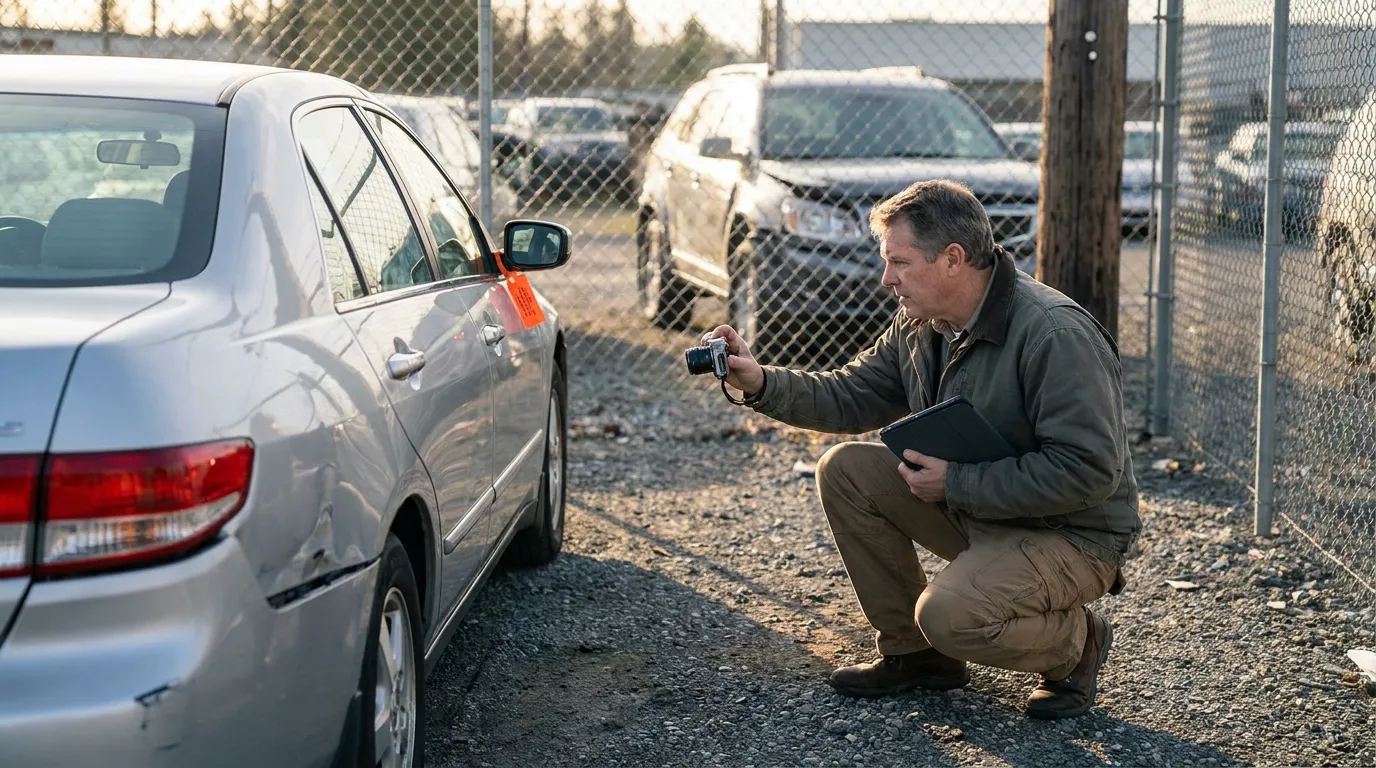
Officers can sometimes correct factual mistakes, like a wrong plate number or the wrong insurer. Changing an officer’s opinion is usually harder, so it is often more practical to build evidence that tells the fuller story.
Deadlines That Do Not Wait for Your Report
Waiting for the crash report, or a corrected version, does not generally pause legal deadlines. Personal injury lawsuits in Illinois are generally subject to a two-year limitations period under 735 ILCS 5/13-202. Some exceptions exist, such as tolling for minors. Under 740 ILCS 180/2(d), a wrongful death action generally must be filed within 2 years after the death, subject to the exceptions in subsection (e). Courts usually read exceptions narrowly, so do not assume tolling applies to you. Talking with a lawyer about filing an MVA claim in Illinois early can help you avoid missing a deadline.
When a Public Transit Vehicle Is Listed
If the report lists a CTA bus or other CTA vehicle, the deadline may be much shorter. Under 70 ILCS 3605/41, a personal injury lawsuit against the Chicago Transit Authority generally must be filed within one year after the claim arose. Claims against other public entities, such as Pace, Metra, or local governments, may have separate notice requirements and shorter deadlines, often one year under the Local Governmental and Governmental Employees Tort Immunity Act.
Preserving Video Before It Disappears
Highway camera footage can confirm or challenge a crash report, but it may not be kept for long. Under 605 ILCS 140/5, the Illinois State Police, the Illinois Department of Transportation, and the Tollway run a program to add cameras along expressways and state highways in Cook and certain other counties. Images exported to a law enforcement database generally must be deleted within 120 days unless they relate to an ongoing investigation or a pending criminal trial. Footage that is never exported may be overwritten even sooner, as may footage from private businesses.
💡 Pro Tip: Write down every business, doorbell camera, and traffic camera you remember near the crash scene. A quick preservation request may save footage that would otherwise be erased.
Getting Help With Your Crash Report Explained
A lawyer can review your report alongside the other evidence and point out codes that may not match what happened. An Illinois traffic crash report codes lawyer at McDevitt and Cobb P.C. focuses on personal injury claims for people hurt in crashes across DuPage, Kankakee, Will, and Winnebago Counties. Every case depends on its own facts, and no review can guarantee a particular result.
Frequently Asked Questions
1. What is the SR 1050?
The SR 1050 is the standardized Illinois Traffic Crash Report that law enforcement generally uses to record crashes. It includes coded fields for causes, injuries, damage, and conditions.
2. Does a contributing cause code mean I am legally at fault?
No. Fault in an Illinois injury lawsuit is generally decided by the trier of fact, not the officer. Even so, insurers often rely on these codes during negotiations.
3. Can I get errors on my Illinois crash report corrected?
Factual mistakes can sometimes be corrected by contacting the agency that wrote the report. An officer’s opinions are harder to change, so supporting evidence often matters more.
4. My report says "no apparent injury." Can I still bring a claim?
You may still be able to. Many injuries show up later, and medical documentation generally carries significant weight. A prompt evaluation by a doctor can help create that record.
5. Does waiting for my report extend my filing deadline?
Generally, no. The deadlines in 735 ILCS 5/13-202 and 740 ILCS 180/2(d) keep running whether or not you have the report. Claims against the CTA or other public entities may have shorter limits.
Protecting Your Claim Starts With Understanding the Report
Your crash report is an important document, but it does not tell the whole story. Contributing cause, injury, and damage codes can influence how insurers value your claim, especially under Illinois’ 50 percent bar. Getting the report early, comparing it with other evidence, and tracking deadlines can help put you in a stronger position. Your outcome will depend on the specific facts of your crash.
If codes on your report are working against you, McDevitt and Cobb P.C. is ready to review them with you. Call 312-332-0072 or schedule a consultation today.
Disclaimer: This content is for informational purposes only and is not legal advice. Every case is unique, and results may vary. Consult an attorney about your specific circumstances.