Understanding Your Rights After an Injury on Someone Else’s Property
Key Takeaways: The Illinois Premises Liability Act (740 ILCS 130) governs when property owners can be held responsible for injuries on their land. The Act replaced the rigid common law system by abolishing the invitee and licensee distinction and applying a single reasonable care standard. To recover, injured persons must prove duty, breach, causation, and damages, with notice often the most contested issue. Special rules apply to children, trespassers, and recreational land, while common defenses include comparative fault, open and obvious doctrine, and statute of limitations. Because outcomes are fact-dependent and filing deadlines strict, documenting the hazard early and consulting a Chicago premises liability attorney is critical.
If you were hurt because of a hazard on someone else’s property, the Illinois Premises Liability Act likely governs your claim. This statute, codified at 740 ILCS 130, sets the standard for when a property owner or occupier can be held responsible for injuries on their land. It answers a question injured people ask every day: when does a dangerous condition become someone else’s legal fault?
If you need guidance on your options, the team at McDevitt and Cobb P.C. is ready to help. Call us at 312-332-0072 or reach out through our contact page to discuss your next steps.
The Origins and Purpose of the Premises Liability Act
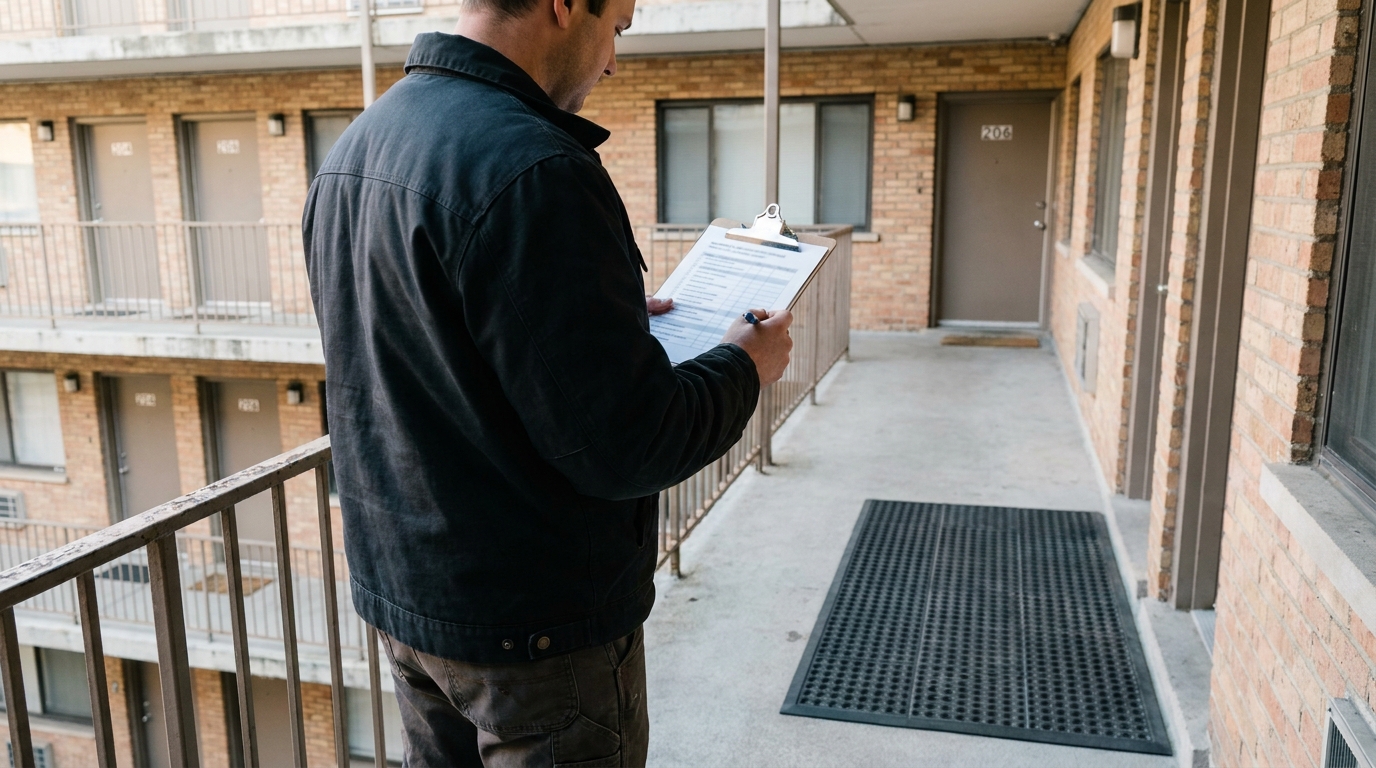
The Illinois Premises Liability Act was enacted as P.A. 83-1398 to modernize the older common law system that sorted visitors into rigid categories with different protections for each. You can review the full text of the Illinois Premises Liability Act to see how the legislature framed these duties.
Not every part of the Act survived legal challenge. P.A. 89-7 attempted to add limitations to the duty of care, such as eliminating any duty to warn of open and obvious conditions. Those amendments were held unconstitutional in Best v. Taylor Machine Works, which is why Section 2 is read without the P.A. 89-7 changes. The operative version is generally more protective of injured visitors than the failed amendments would have been.
💡 Pro Tip: Photograph the hazard that caused your injury as soon as possible, including lighting, signage, and surrounding conditions, because these details often disappear quickly after a property owner makes repairs.
The Duty of Care Property Owners Owe to Visitors
At the heart of Illinois premises liability law is a single, flexible standard of care. Under Section 2, the duty owed to entrants is reasonable care under the circumstances regarding the state of the premises or acts done or omitted on them. This means an owner or occupier must take steps a reasonably careful person would take to keep the property safe.
Why the Invitee and Licensee Distinction Largely Disappeared
The Act abolished the old common law split between invitees and licensees. Section 2 expressly states this distinction is abolished as to the duty owed by an owner or occupier. Historically, an invitee such as a store customer received stronger protection than a licensee such as a social guest. Today, both groups are owed the same reasonable care standard, simplifying the analysis and reducing arguments over how to label a visitor. This single standard applies to lawful entrants; status can still matter for trespassers.
Special Protections for Children
Children injured on dangerous property may be afforded special protection under attractive nuisance principles. Illinois uses a foreseeability-based standard asking whether an owner should have anticipated that children would be drawn to a hazard they are too young to appreciate. Features like swimming pools, trampolines, and unsecured equipment can trigger heightened responsibility when the risk to children is foreseeable and the burden of remedying it is slight.
Trespassers and the Limits of the Act
The Act addresses trespassers separately from lawful entrants. Section 3 provides that "Nothing herein affects the law as regards the trespassing child entrant," and that an owner owes no duty to an adult trespasser other than to refrain from willful and wanton conduct endangering a known trespasser. Trespasser cases are evaluated under these separate principles rather than the reasonable care standard applying to lawful entrants.
💡 Pro Tip: Keep a written timeline of how long the hazard existed and who you reported it to. This information can become critical when proving that an owner knew or should have known about the danger.
What You Must Prove in a Property Injury Case
A successful premises liability claim in Illinois generally rests on four core elements:
- Duty: the owner or occupier owed you reasonable care under the circumstances.
- Breach: the owner failed to meet that standard by allowing or creating a hazard.
- Causation: that breach actually caused your injury.
- Damages: you suffered compensable harm such as medical bills, lost income, or pain.
Notice is often the most contested element in slip and fall cases. The law distinguishes between actual notice (direct knowledge of the hazard) and constructive notice (the condition existed long enough that a reasonably careful owner should have discovered it). Notice is generally not required when the owner or its employees created the condition. Establishing notice can be the difference between a claim that moves forward and one that stalls.
Illinois law also recognizes liability for those who create hazards even without owning the land. A party that creates a dangerous condition will not be relieved of liability simply because they don’t own the premises. This principle can be important when a maintenance company, contractor, or third party caused the danger.
| Concept | What It Generally Means for Your Claim |
|---|---|
| Reasonable care | Owner must act as a careful person would under the circumstances |
| Actual notice | Owner directly knew about the dangerous condition |
| Constructive notice | Hazard existed long enough that the owner should have known |
| Created hazard | Liability can attach even without ownership of the property |
Defenses and Special Situations You Should Know
Property owners and their insurers commonly raise several defenses to reduce or defeat claims. The most frequent defenses include:
- Comparative fault, arguing you share responsibility for the injury.
- The open and obvious doctrine, arguing the danger was apparent.
- Assumption of risk, arguing you knowingly accepted the hazard.
- The statute of limitations, arguing you waited too long to file.
Timing deadlines deserve careful attention because courts interpret exceptions narrowly. In Illinois, most personal injury claims must be filed within two years. This period and any tolling or discovery-based extension apply only in limited circumstances. Civil filing deadlines are separate from government administrative claim deadlines and shortened periods that may apply when a public entity is involved.
The law also carves out certain recreational uses of land. When someone enters premises for a recreational purpose, liability may instead be governed by the Recreational Use of Land and Water Areas Act, which generally limits a landowner’s duty. This carve-out can significantly change the analysis.
💡 Pro Tip: Save your shoes and clothing exactly as they were at the time of the fall. They can help rebut an argument that your footwear, rather than the property’s condition, caused the incident.
When to Talk to a Premises Liability Lawyer in Chicago
You should consider speaking with a premises liability lawyer in Chicago soon after a serious injury, while evidence is still fresh. Premises cases often turn on details that fade quickly, including weather conditions, lighting, surveillance footage, and witness memories. A detailed discussion of how Illinois courts use the Restatement of Torts framework shows how nuanced these negligence theories can be.
Working with a Chicago premises liability attorney helps you gather the right evidence early. Building code analysis, maintenance records, and expert testimony frequently play a central role in stairway, railing, and inadequate security cases. A knowledgeable premises liability lawyer Chicago residents trust can evaluate whether a landlord, business, or maintenance company failed to meet its responsibilities.
💡 Pro Tip: Request an incident report from the property owner or business in writing and keep a copy. Many commercial properties create internal reports that can later support your account of events.
Frequently Asked Questions
-
Does the Illinois Premises Liability Act apply to my apartment building’s common areas?
In many cases, yes. Injuries in shared stairs, hallways, and parking lots are commonly governed by the reasonable care standard, and landlords or management companies may be responsible when they fail to maintain these areas safely. -
What if I was partly at fault for my fall?
You may still recover under Illinois modified comparative fault principles. Being partially responsible does not bar a claim, but your recovery is reduced by your share of fault, and you are barred from recovering if you are found more than 50% at fault. -
How do I prove the owner knew about the hazard?
You generally show either actual or constructive notice. Evidence that the condition existed for some time, prior complaints, or maintenance records can establish that a reasonably careful owner should have discovered the danger. -
Is there a deadline to file my premises liability claim?
Yes, civil personal injury claims are generally subject to a two-year statute of limitations in Illinois. Because courts interpret extensions narrowly and different, often shorter, deadlines may apply when a public entity is involved, you should confirm your deadline rather than assume it. -
Where can I learn more about premises liability topics?
You can explore general legal background and case insights through our firm’s Illinois premises liability law resources. These materials offer educational context, though they are not a substitute for advice about your individual situation.
Protecting Your Recovery After a Property Injury
The Illinois Premises Liability Act gives injured people a clear, reasonable care standard that can hold negligent owners accountable. From the abolition of the old invitee and licensee divide to the four elements of duty, breach, causation, and damages, the law focuses on whether a property was kept reasonably safe. Notice, foreseeability, and proper documentation often decide these cases, and special rules for children, trespassers, and recreational land can change the analysis.
If a hazardous condition on someone else’s property caused your injury, do not wait to get answers. The attorneys at McDevitt and Cobb P.C. are prepared to review your situation, explain your options, and help you pursue the recovery you may be entitled to. Call us today at 312-332-0072 or request your consultation online to take the next step.